Set the shortest piece first
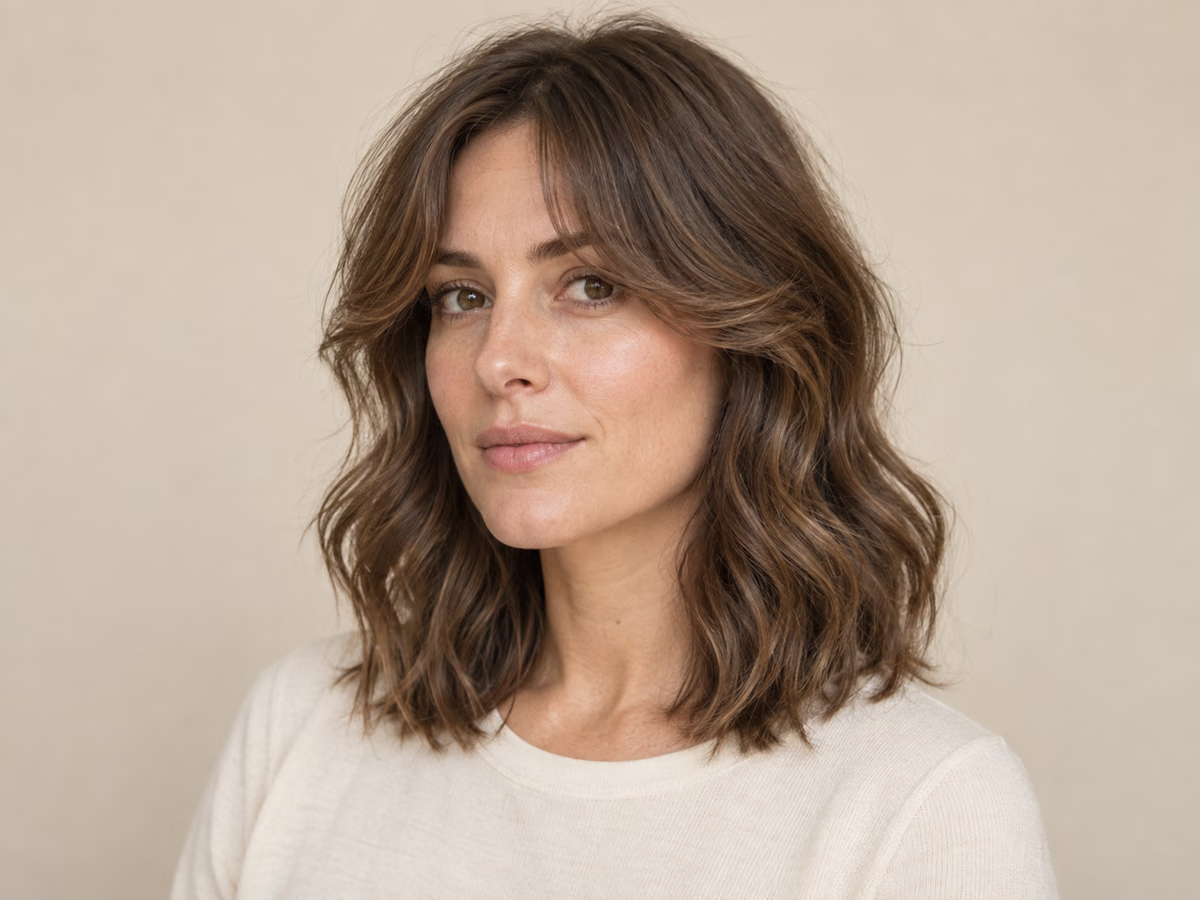
Ask where the shortest piece will sit with your hair dry and in its natural part. A shorter fringe covers more forehead; a longer one leaves more of it visible and may be easier to tuck aside. Begin longer if you want room to adjust the cut after seeing how it behaves.
The longer sides should connect to the haircut you already wear. A disconnected fringe can need a different styling routine from the rest of your hair. Bring a photograph of your normal hairstyle, including how you tie it back.
Check your part and growth pattern
A reference image may have an open center even if your hair naturally parts to one side. Ask your stylist to test the section without forcing it into position. The fringe can be slightly off-center; it does not have to form two identical halves.
Cowlicks and curls affect how the shortest pieces lift. For a curly fringe, assess the dry curl and expected shrinkage before removing length. Coily fringes may need a specialist dry-cut consultation; this starter finder does not yet model those variations.
Plan for the fringe between washes
The front of the hair can need a reset before the rest does. Decide whether a quick wetting and air-dry fits your routine or whether you are comfortable using a dryer and brush. Do not choose a heat-styled reference and expect exactly the same shape without styling.
A longer curtain usually blends into the sides as it grows, but maintaining a specific short opening still means trimming the fringe. Ask about the salon's fringe-trim routine before you commit.
Questions about curtain bangs
Do curtain bangs only suit oval faces?
No. Adjusting the opening, shortest point and side length creates different versions. Face shape is a starting point for those choices, not an eligibility rule.
Are curtain bangs low maintenance?
They can grow out gradually, but the daily routine depends on your part, texture and desired finish. A polished sweep may need a reset even when the rest of the hair does not.
Can I keep my current haircut?
Often, yes. Ask how the longer sides of the fringe will connect to your existing length and whether they will still tuck back or fit in a ponytail.
How these suggestions were written
We match the seven broad contour profiles to adjustable haircut features. The rule weights are authored suggestions; they have not been fitted to client outcomes. Your stylist can account for hair density, growth patterns and the finish you want.
Allure: curtain-bang definitions and stylist advice: Reference for the graduated fringe and the role of texture and growth patterns. Our match labels and seven-shape variations are editorial rules.
See the editorial policy and face-measurement methodology.